How to Choose Flooring Materials for Your Home
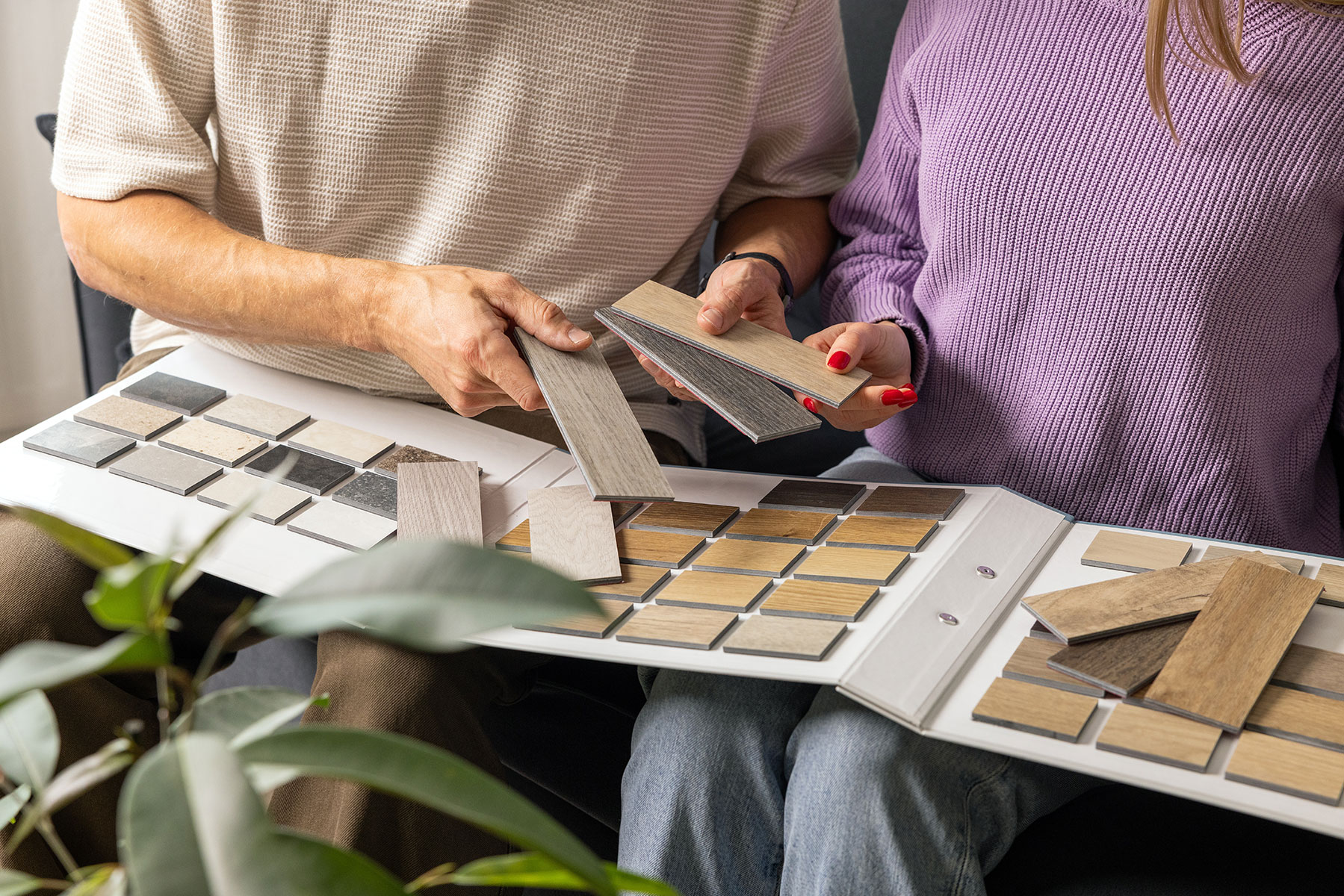
When homeowners start planning a renovation, flooring is often treated as a finishing detail. But knowing how to choose flooring materials is one of the decisions that affects daily life the most! It’s the one surface in your home that every single person touches, every single day.
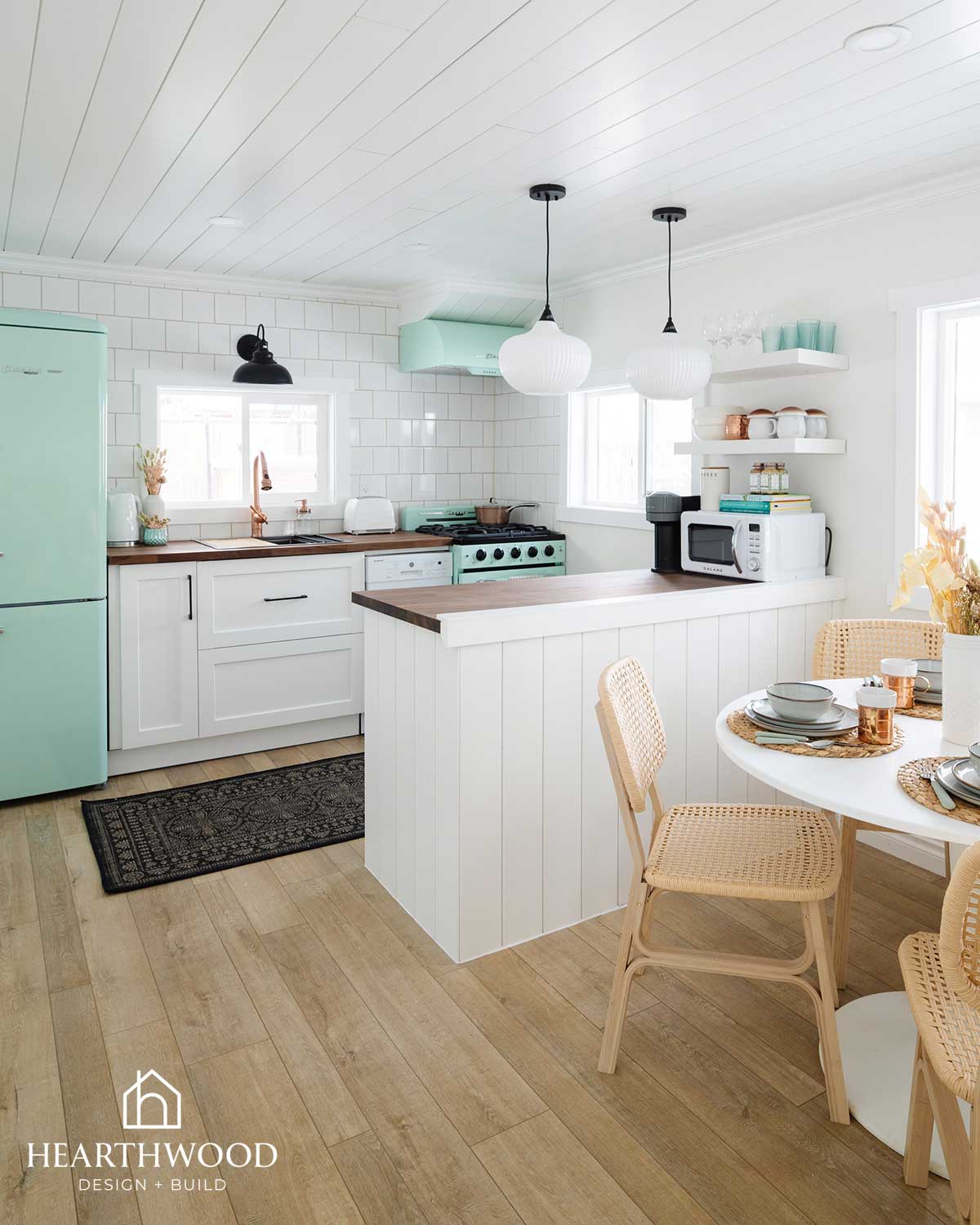
At Hearthwood Design + Build, flooring comes up in almost every conversation we have with potential clients. It’s a big-ticket item, it covers more square footage than anything else in the budget, and once it’s in, it’s not something you casually change your mind about.
The right choice comes down to balancing durability, comfort, maintenance, and budget against how your household actually lives & not how a showroom photo looks.
If you’re weighing your options, here’s an honest look at the most common flooring materials and how they hold up in real Alberta homes.
Luxury Vinyl Plank: Our Most-Recommended Flooring
Luxury vinyl plank (usually shortened to “LVP”) is what we recommend for the majority of our projects, and it isn’t a compromise recommendation.
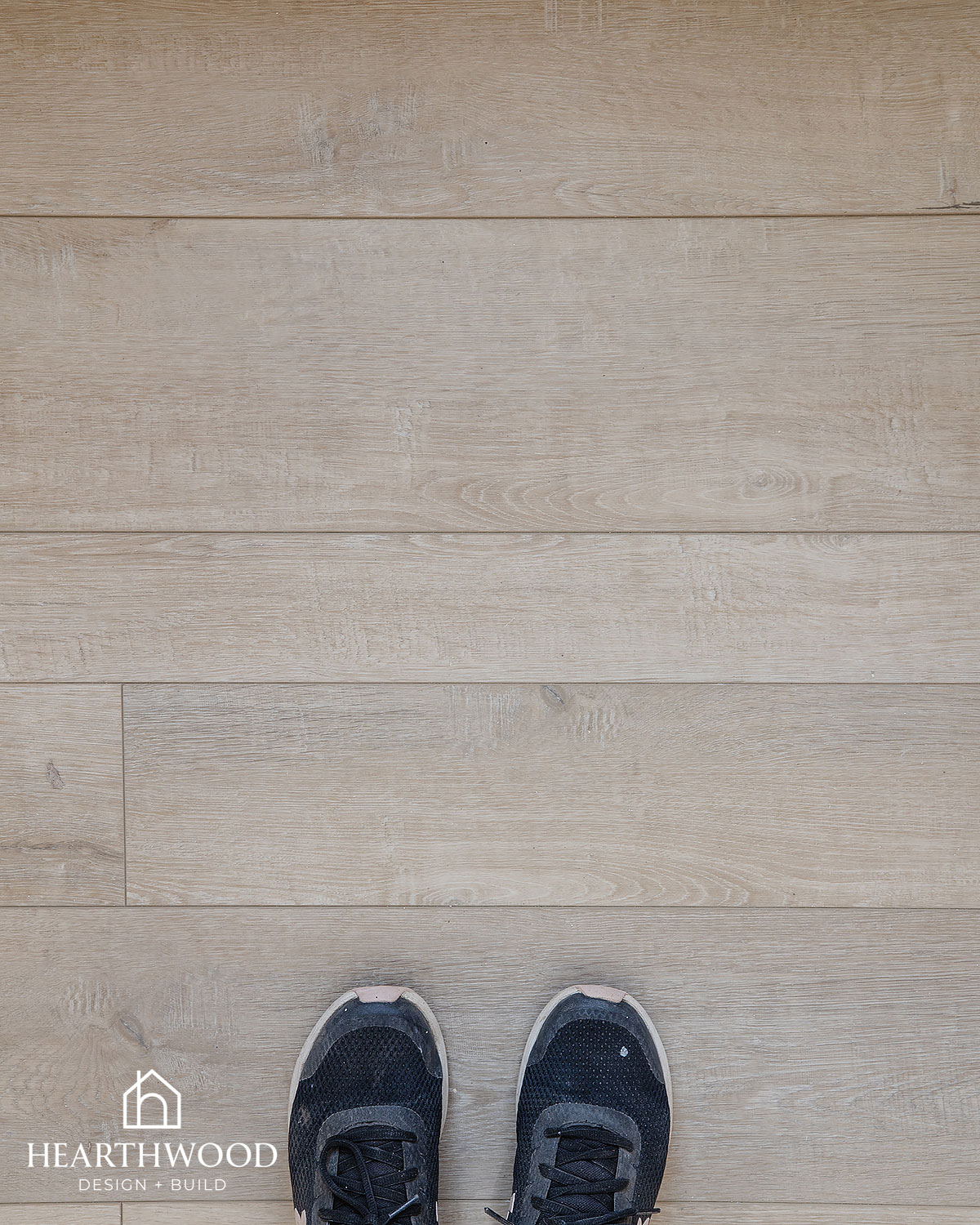
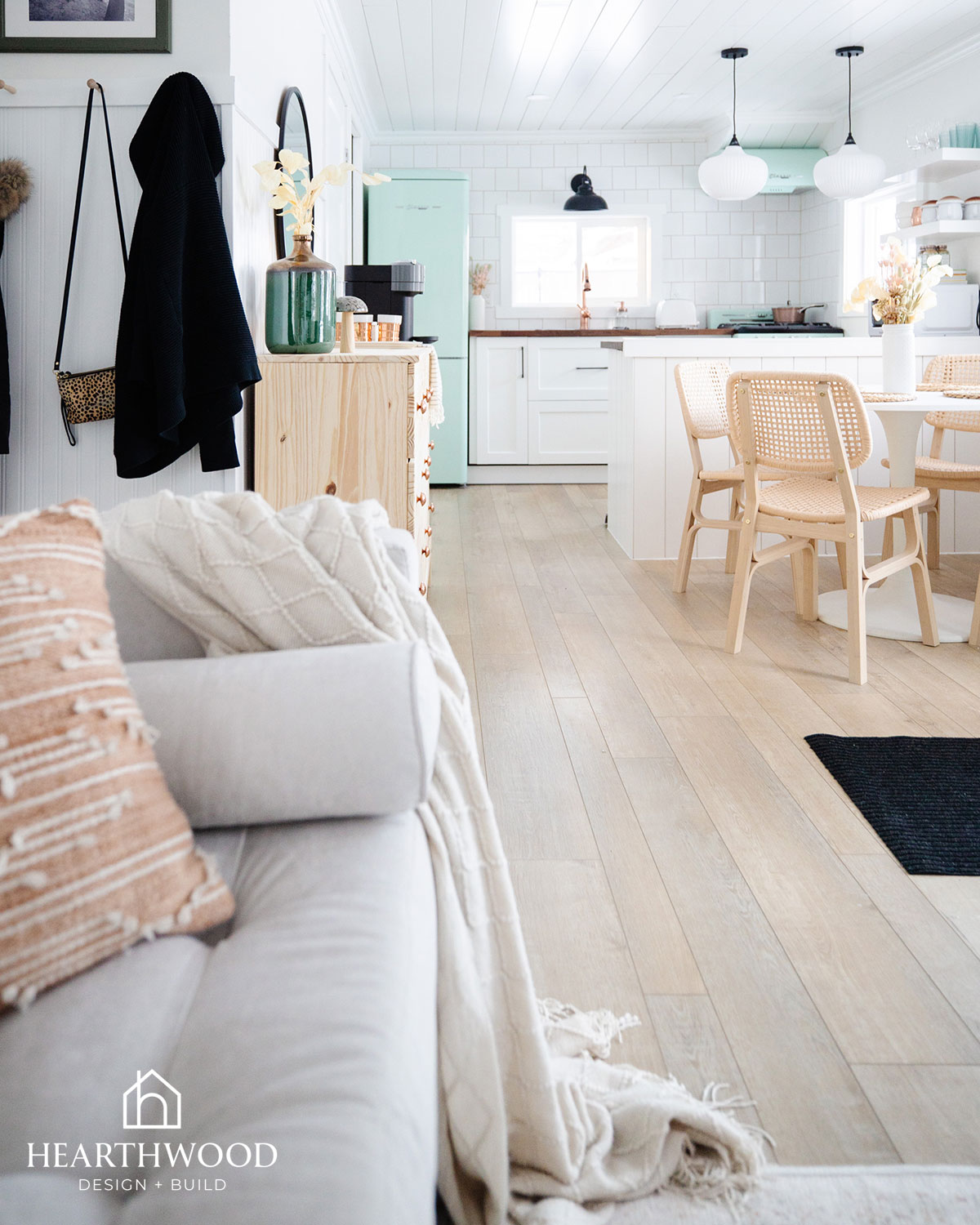
Today’s LVP looks genuinely beautiful. The printing and embossing technology has improved so dramatically in the last few years that many of our clients can’t tell it from real wood until they’re on their hands and knees looking at it. Wide planks, matte finishes, realistic graining, and warm oak tones are all readily available.
More importantly, it performs. LVP is waterproof, which makes it one of the few materials you can run continuously through a kitchen, hallway, bathroom, and basement without a transition strip or a worry. It handles pets, kids, wet boots, and spilled dog bowls. It’s warmer and quieter underfoot than tile. And it’s usually a fraction of the cost of hardwood.
The caveat we always share with clients is this: LVP is only as good as its installation. A floating vinyl floor telegraphs every imperfection in the subfloor underneath it, so proper levelling and prep is non-negotiable. Planks need to acclimate to the home before they go down, and expansion gaps need to be respected around the perimeter, especially in our climate, where a house can swing from humid summers to bone-dry winters. Skipping those steps is how you end up with peaking seams and gaps a year later.
We also steer clients toward a thicker plank with a UV finish, and away from the thinnest big-box options which scratch and dent far more easily.
Best for: almost every home, especially busy households, families with pets, basements, and anyone who wants one cohesive floor throughout the main level.
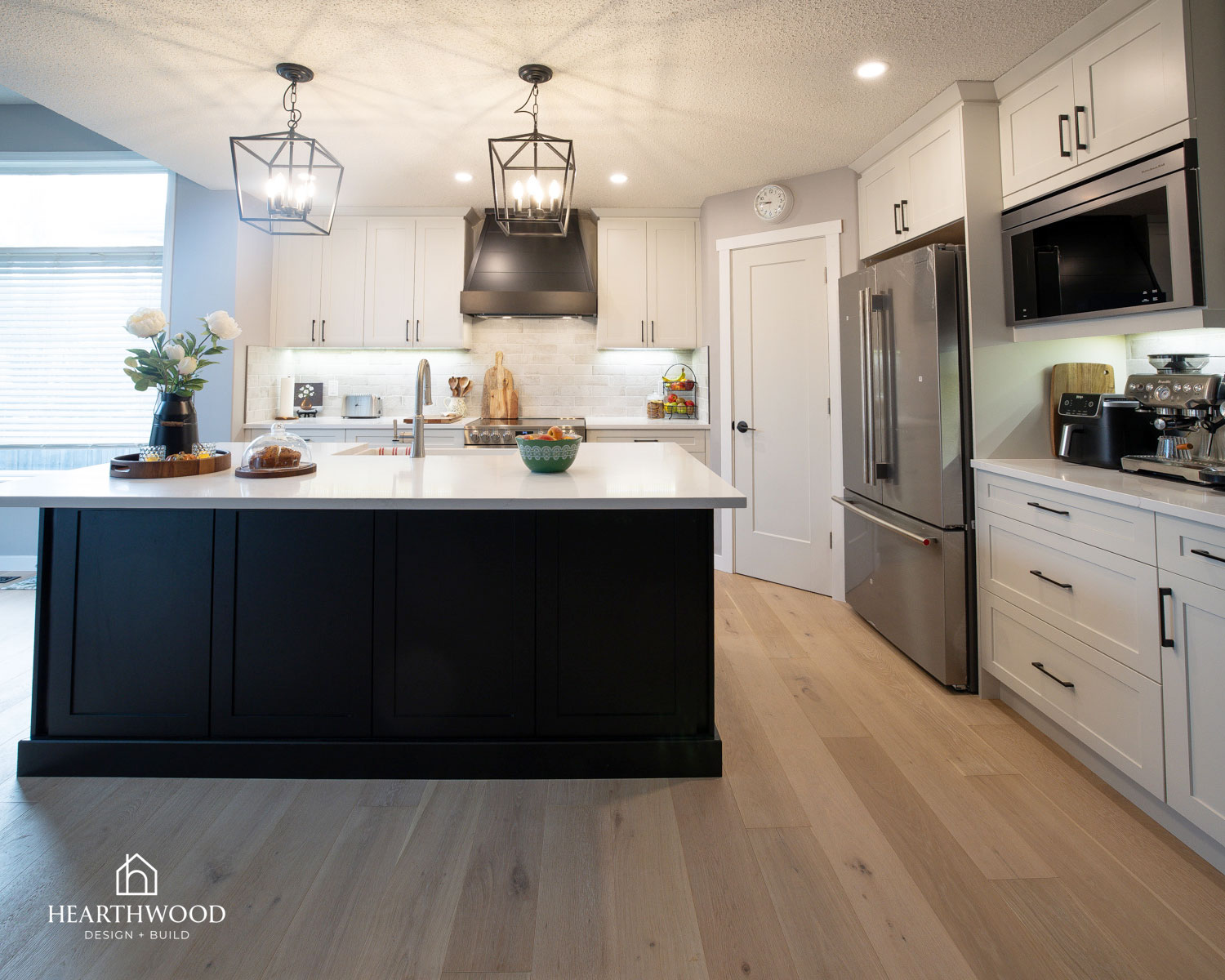
Engineered Hardwood: Real Wood With Better Stability
What’s engineered hardwood? It’s a real wood veneer layered over a plywood or composite core. You get an authentic wood surface with far better dimensional stability than solid planks.
That stability matters here. Alberta winters are dry, and solid hardwood responds to that by shrinking and gapping. Engineered construction moves far less, which makes it a much safer choice for homes with in-floor heat or significant seasonal humidity swings.
The main consideration is the thickness of the wear layer. A thicker veneer can be sanded and refinished once or twice down the road; a thin one can’t be refinished at all. It’s also still wood, so standing water and heavy scratching are real risks.
Best for: homeowners who want genuine hardwood and are willing to be a little more careful with it.
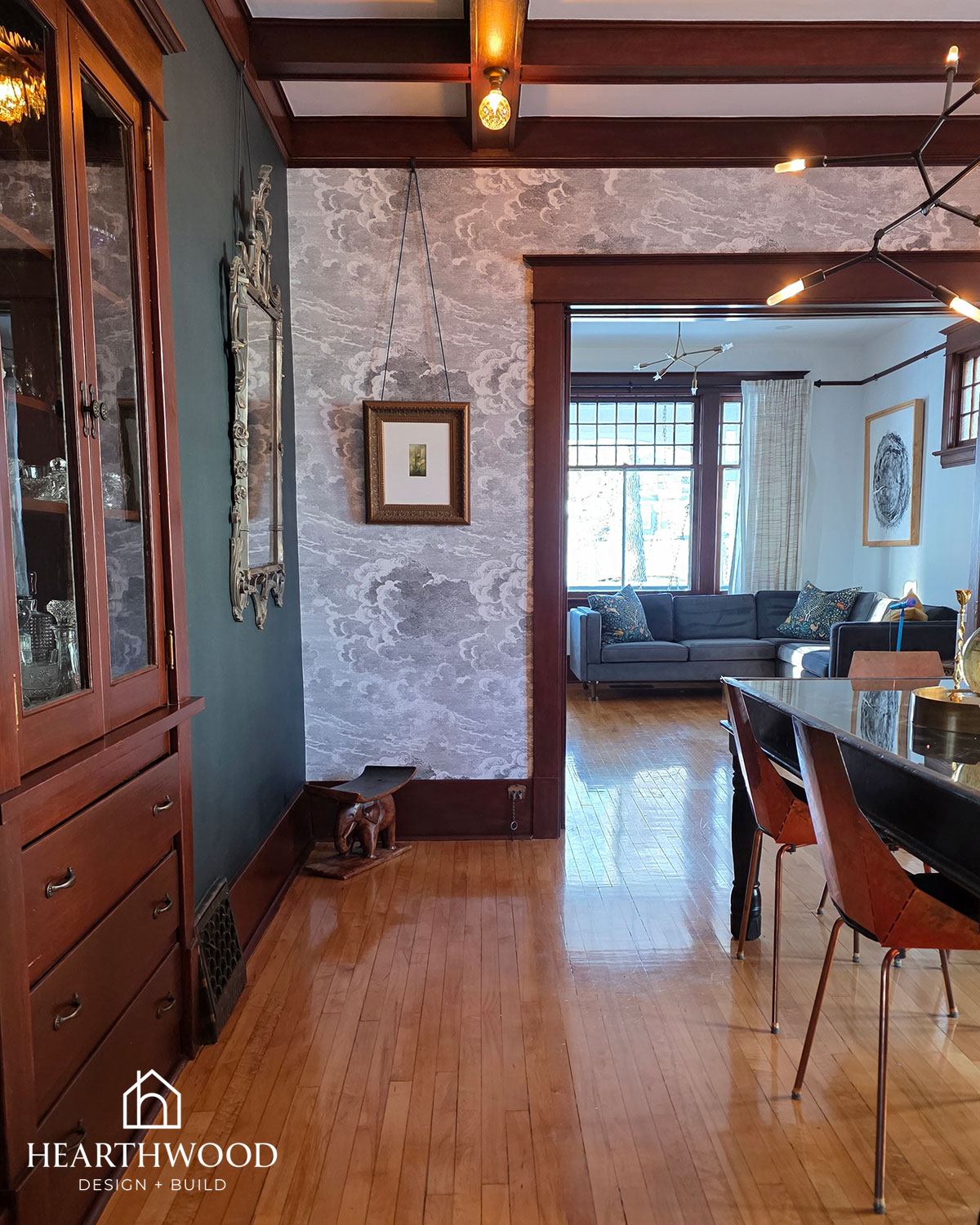
Solid Hardwood: The Long-Term Classic
Hardwood is still the benchmark for warmth, character, and longevity. Properly cared for, it can last generations and be refinished several times, which means it can change colour and finish as your style changes.
It’s also the most demanding option. It expands and contracts with humidity, it doesn’t belong below grade or in full bathrooms, and it’s the most expensive of the common flooring materials once you factor in installation and finishing.
We generally recommend solid hardwood in character homes, formal main floors, and projects where the homeowner specifically values the authenticity and is prepared for the upkeep.
Best for: main-floor living spaces in homes where longevity and authenticity matter more than convenience.
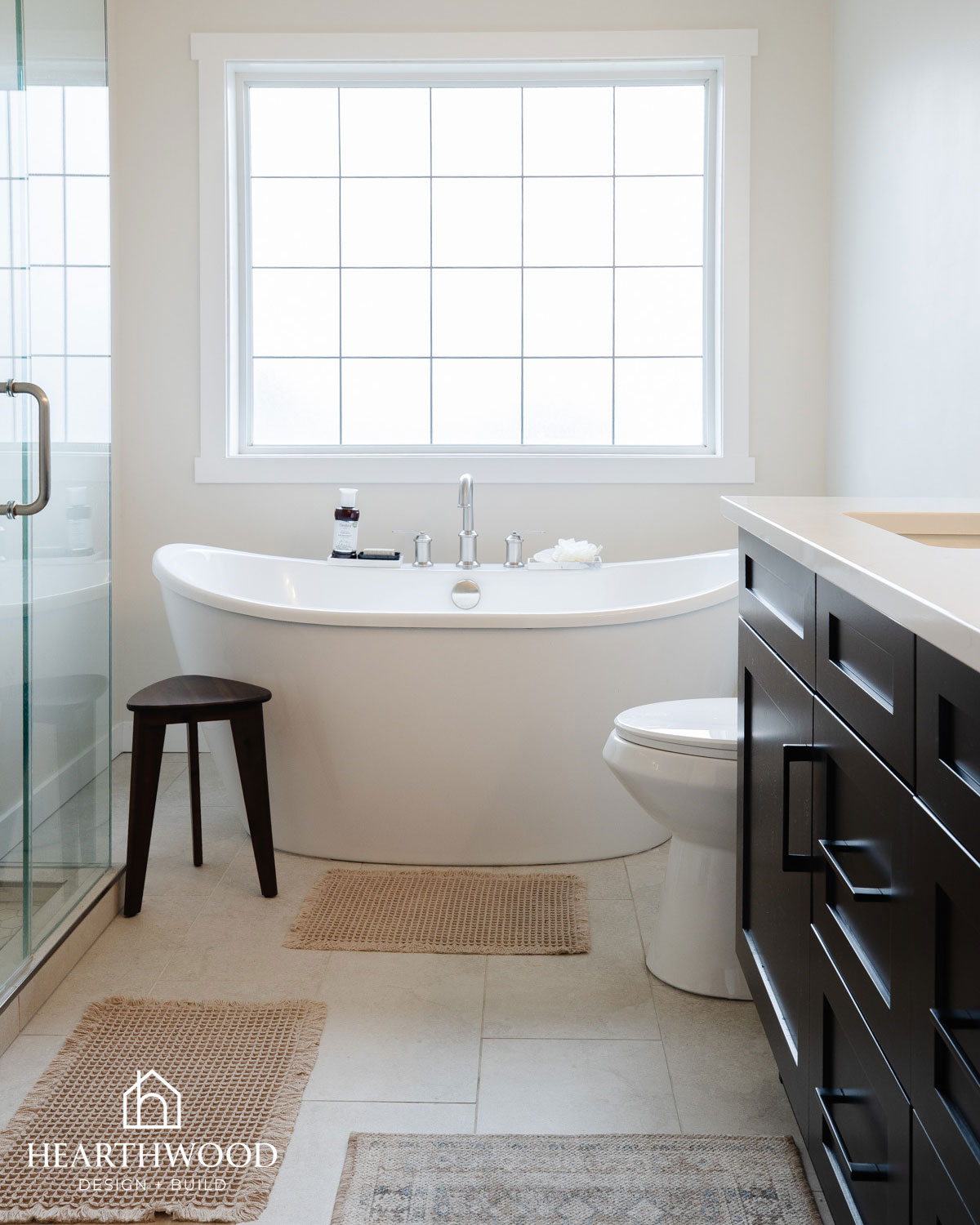
Tile: Unbeatable in Wet Areas
Porcelain and ceramic tile remain the strongest performers in bathrooms, mudrooms, laundry rooms, and entryways. Tile is waterproof, extremely durable, and endlessly variable in look, including large-format and wood-look options.
Tile is also the natural partner to in-floor heating, which is one of the nicest upgrades you can make in a bathroom in our climate.
The trade-offs are comfort and cost. Tile is hard and cold underfoot without heat, dropped dishes don’t survive it, and grout lines need periodic attention. Installation is labour-intensive and costly, and it needs to be done properly. A good tile floor starts with a solid, decoupled substrate, not just thinset.
Best for: bathrooms, mudrooms, entryways, and anywhere heated floors are on the wish list.
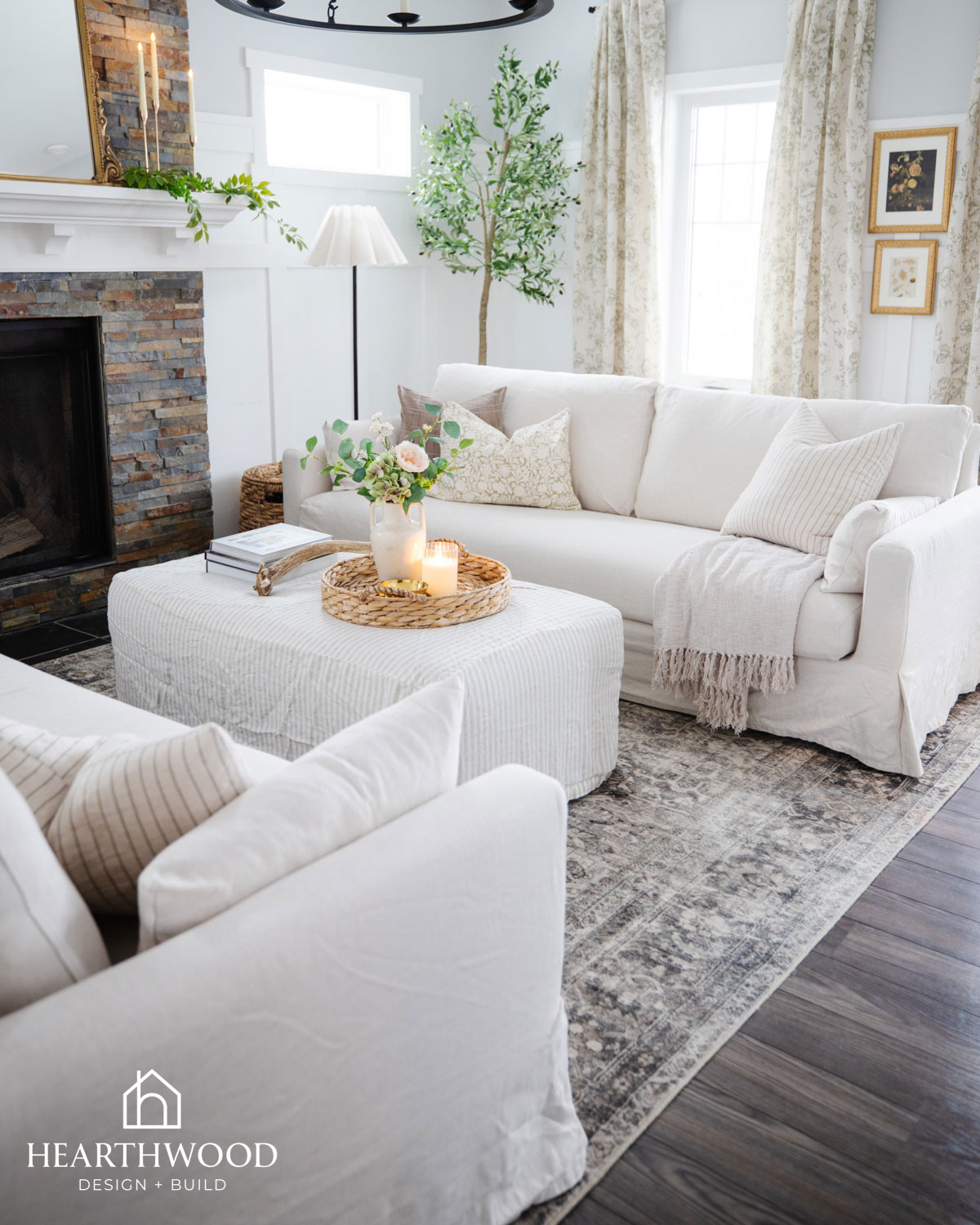
Laminate: A Budget Option That’s Improved
Like laminate countertops, laminate flooring has come a long way. Today’s products have convincing textures and better wear ratings than the shiny, hollow-sounding versions many of us remember.
It’s typically the most affordable hard-surface option and it resists scratching quite well. But the core is still fibreboard, which means water is its weakness. Even “water-resistant” laminate can swell permanently if a spill sits in a seam. Given how close LVP now sits on price, we rarely specify laminate over it.
Best for: tight budgets, rental properties, and dry secondary spaces like bedrooms or offices.
Carpet: Comfort Where It Counts
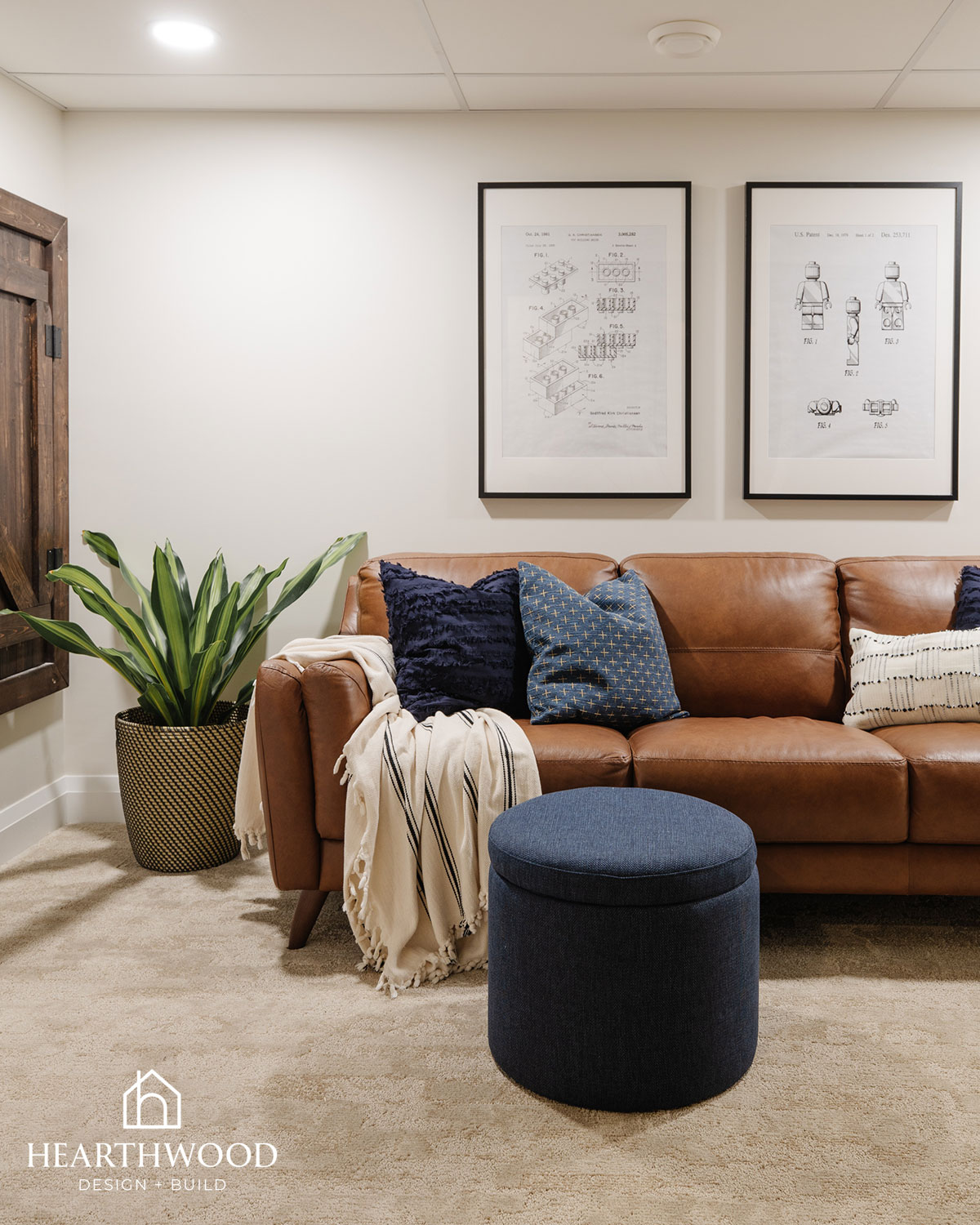
In main living areas, carpet has fallen out of fashion but it still earns its place in bedrooms, basements, and stairs. Nothing else delivers the same softness, warmth, and sound absorption, all of which matter in a basement bedroom in January.
The considerations are the familiar ones: it stains, it traps allergens, and it has a shorter lifespan than hard surfaces. A good-quality underpad makes a bigger difference to how carpet feels and wears than most people expect, and it’s a poor place to save money.
Best for: bedrooms, basements, stairs, and any space where comfort and quiet are the priority.
How We Help Clients Choose Flooring Materials
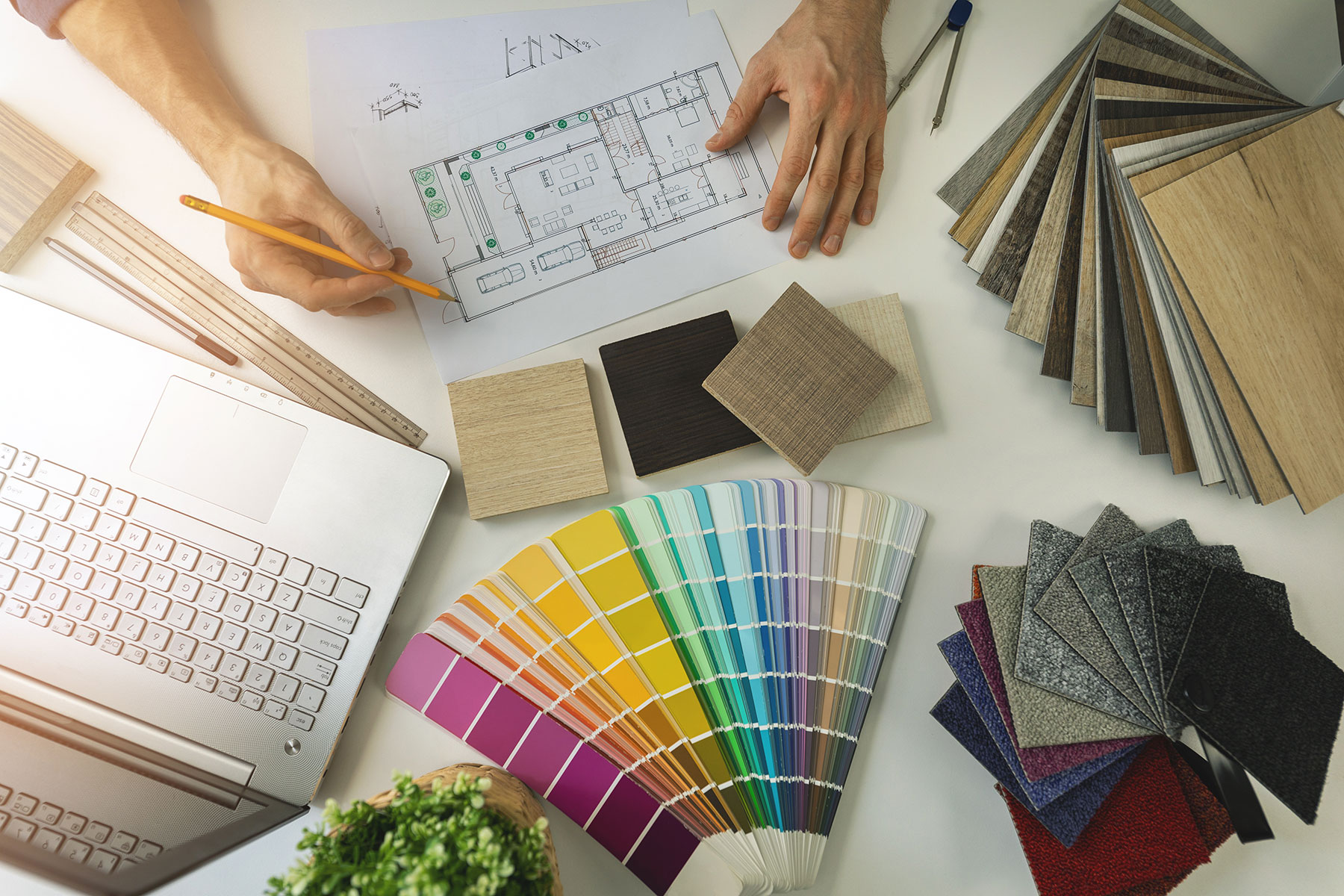
There’s no single right answer for every home. When clients ask us how to choose flooring materials for their space, we start by narrowing the options against three key factors:
- How much traffic, moisture, and wear the space realistically sees
- Comfort level with maintenance and future refinishing
- Overall renovation budget and how far the flooring needs to stretch
When those pieces line up early, the floor tends to disappear into the background of daily life… which is exactly what a good floor should do!
Planning Your Flooring as Part of a Larger Renovation
Flooring shouldn’t be chosen in isolation. It sets the undertone for your cabinetry, paint colours, countertops, and tile, and it’s one of the few materials that carries through nearly every room.
It also has practical implications that are much cheaper to solve on paper than on site: transitions between rooms, height differences at doorways, subfloor levelling, and whether flooring runs under or around cabinetry. Sorting those details during design saves real money later.
If countertops are also on your list, our guide to choosing the right bathroom and kitchen countertop materials walks through the same kind of decision.
Planning a renovation in Parkland County or the surrounding area?
Hearthwood Design + Build helps homeowners choose materials that balance beauty, durability, and real-life function.